The next era of hospitality: Building an industry around people
In this blog post, Julia Huelser, Senior Consultant - Hotels, explores why employees are becoming hospitality’s most essential asset, at a moment when global uncertainty and rapid technological change are reshaping the industry.
Business. Built around You.
Your expert business property advisers


As part of Christie & Co’s broader work for the 2025 Pandox Hotel Market Day, we examined the past three decades of hospitality’s evolution, years defined by shifting guest expectations, the rise of global brands and operators, and steady inflows of investment capital. Yet throughout these cycles, one factor consistently received less strategic attention: the employee. Despite being central to service delivery, people were often secondary to product, brand, or asset strategy.
Today, the travel and tourism industry accounts for one in ten jobs worldwide, yet it now sits at the intersection of multiple disruptions, from geopolitical instability in the Middle East which has the potential to shift travel patterns overnight to an AI revolution rapidly automating traditional white‑collar work. Paradoxically, as other industries brace for a future with fewer people, hospitality is entering an era where people matter more than ever.
After decades of investing in guest‑facing innovation, such as smart rooms, wellness design, seamless check‑in, and more recently, personalised AI tools, the sector’s true competitive edge is no longer technology but people. In a world where automation can streamline processes but cannot replicate genuine connection, the real differentiator remains the people who create the moments that guests remember.
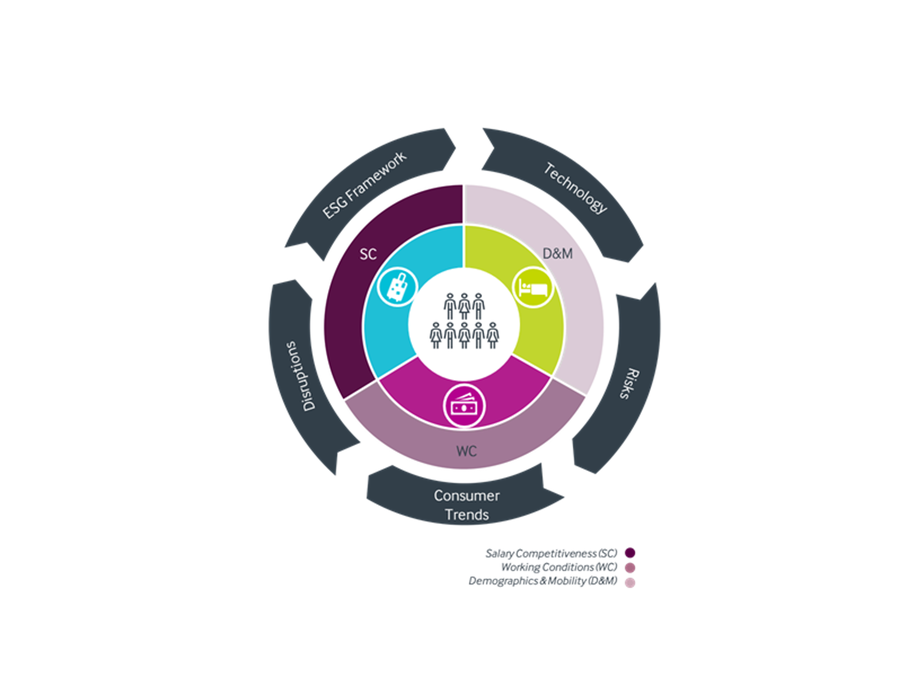
Figure 1: Employees at the core of hospitality transformation.
A sector at capacity: Labour as the new bottleneck
Europe’s hospitality sector now employs over nine million people, and while EU labour regulations such as the Working Time Directive, Adequate Minimum Wages Directive and Pay Transparency Directive strengthen labour standards in the region, they have not resolved deeper structural issues, such as low pay, unsocial hours, or limited progression, which continue to deter talent.
At the same time, demographic shifts are shrinking the working‑age population, with Europe facing a potential shortfall of 6.4 million tourism workers over the next decade, including 1.2 million unfilled accommodation roles. Vacancy rates in the sector remain nearly twice as high as in other industries and spiked to 5% in 2022 across major European markets, despite unemployment having eased to 7% after reaching 9% in 2020. This imbalance is compounded by growing competition from higher‑paying, more flexible sectors, which continues to draw talent away. Without coordinated action from operators and investors, the labour gap will widen further, limiting the sector’s ability to support future growth, even with around 80,000 rooms (around 2.2% of existing supply) in the pipeline across major European markets, according to CoStar.
Wage growth without retention
Labour costs have grown steadily at a 3.24% CAGR since 2020 and over 10% year‑on‑year at peak, putting pressure on hotel margins and investment returns. Yet accommodation wages still sit 35-45% below national averages across major European markets. Pay increases alone are not offsetting more structural challenges.
Gen Z and Millennials, now representing the majority of the workforce, prioritise purpose, growth, flexibility, and wellbeing as much as salary. Traditional hospitality work conditions, including long hours, limited mobility, and slow career progression, no longer meet expectations, making a full redesign of the employee experience essential.
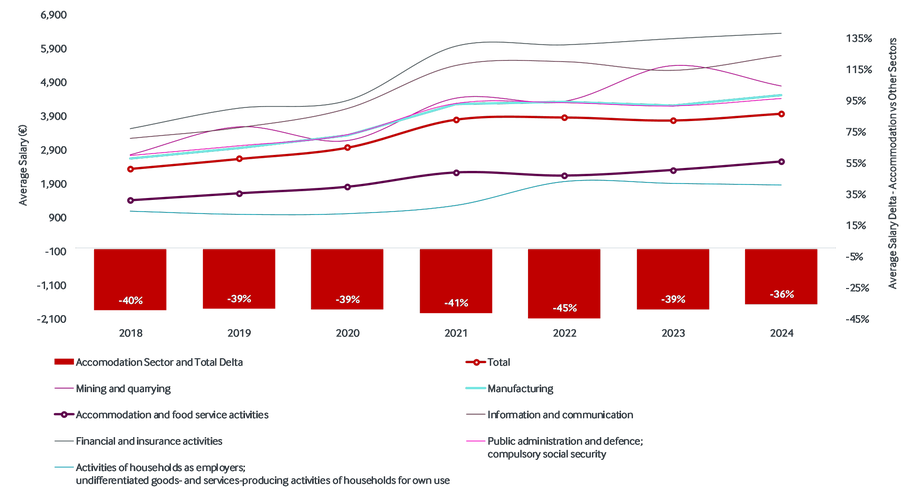
Figure 2: Average salary evolution across the UK, Germany, France, Spain and Italy (2018-2024). Source: Eurostat.
Human capital as a competitive strategy
As experiential tourism grows, the industry is undergoing a clear pivot, where human capital must become the most strategic driver of performance. Employees directly influence guest satisfaction, brand strength, operational stability and ESG credibility, while technology should serve as a multiplier of human capability, not as a replacement.
Three principles underpin this strategy:
- Human interaction is the foundation of memorable guest experiences
- Digital tools should enhance efficiency so staff can focus on high‑value service
- Investor returns increasingly correlate with workforce resilience and social impact
Breakthrough initiatives for the future workforce
For the 2025 Pandox Market Day, Christie & Co outlined 14 worker-powered initiatives that address structural challenges and aim to unlock a lasting cycle of innovation and growth for the sector. Three stand out as immediate catalysts for change:
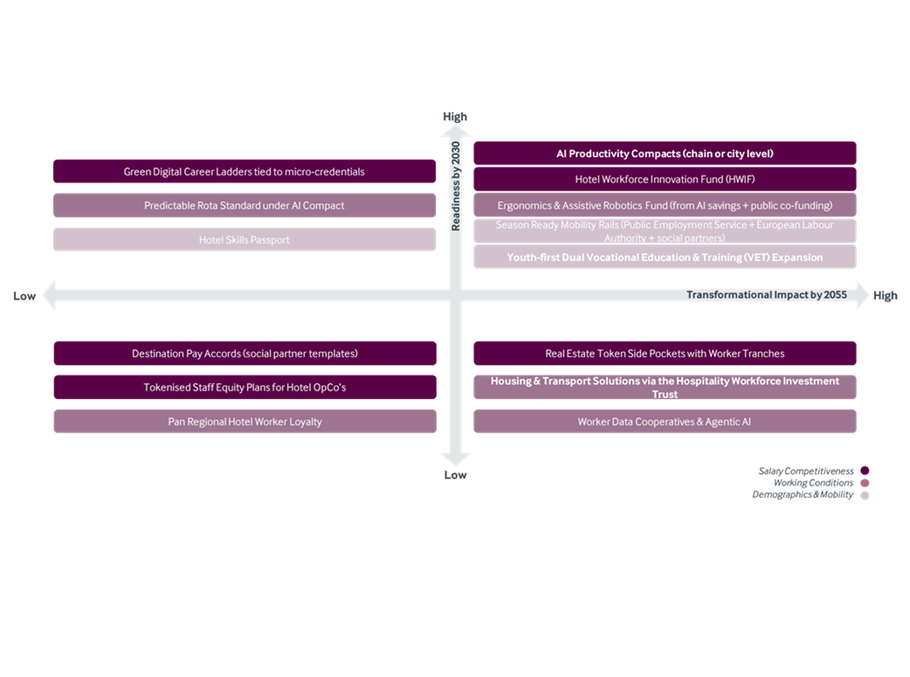
Figure 3: Employee-powered levers for change.
A. The AI Productivity Compact
AI is already improving scheduling and back‑office operations. The Compact proposes reinvesting part of these efficiency gains into higher wages and structured reskilling, strengthening competitiveness, margins, and trust in AI, while supporting the EU’s ambition to upskill 60% of the tourism workforce by 2030.
B. Housing & Mobility Solutions
In many cities, hospitality staff cannot afford to live near their workplace, driving high turnover and affecting consistent service delivery.
The proposed Hospitality Workforce Investment Trust (HWIT) would fund:
- affordable co-living near hotel clusters
- subsidised transport
- seasonal accommodation
This model delivers ESG‑aligned returns, while stabilising workforces in high‑cost markets.
C. Youth‑First Vocational Education & Training (VET) Expansion
To rebuild the talent pipeline, expanding dual vocational training with blockchain‑verified credentials and EU Digital Identity Wallets, would create a cross‑border “skills passport”, enabling young people to train and work across the EU more easily, addressing shrinking youth cohorts and early-career turnover.
The industry’s new infrastructure will be human
With the EU accommodation sector potentially facing a 1.5-million‑person gap by 2055, hospitality’s competitiveness will depend on businesses that redesign work around people, integrating well‑being into ESG, reinvesting AI-driven efficiencies into wage fairness, enabling housing and mobility solutions, and creating lifelong career paths.
The defining shift ahead is not technological but human. Technology enables and buildings impress, but people deliver hospitality. Which raises the industry’s central question: if every transformation ahead relies on employees to make it real, are we truly prepared to invest in them?
Sources: EUR-Lex, European Commission, European Labour Authority, Eurostat, OECD, UN Tourism, WTTC.
For more information about our hotel consultancy services at Christie & Co, contact;