
Check in or check out: rewriting the playbook for hotels, leisure, and tourism
As part of UKREiiF 2026, we hosted the panel, ‘Check in or check out: rewriting the playbook for hotels, leisure, and tourism’. Here are our key takeaways from the event.
Business. Built around You.
Your expert business property advisers

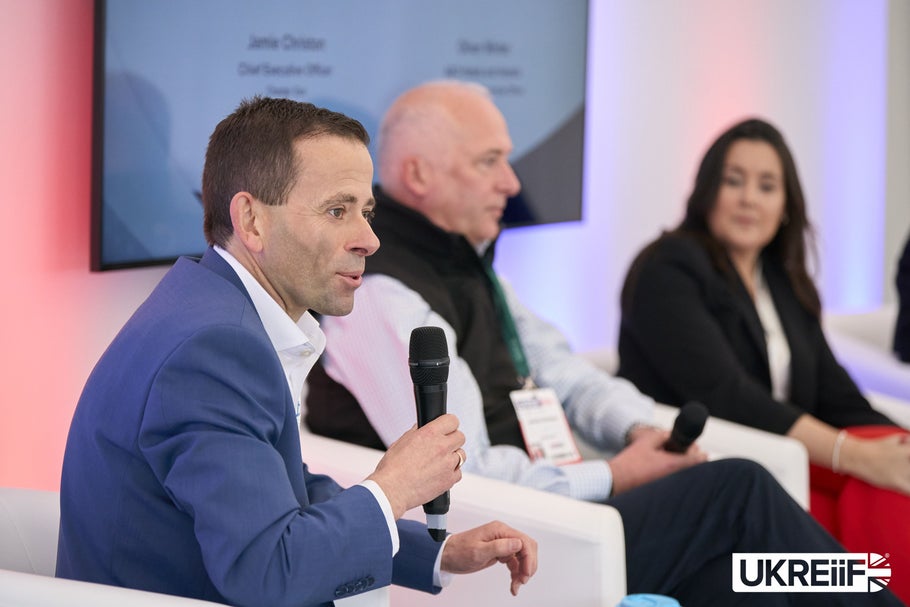
Image credit: UKREiiF 2026
On Wednesday 20 May, as part of UKREiiF, Michael Hodges (Managing Director – Capital Markets, Christie & Co) hosted the expert panel, ‘Check in or check out: rewriting the playbook for hotels, leisure, and tourism’, which looked at emerging visitor economy trends across UK towns and cities. From immersive experiences to tech-savvy escapes with sustainability as standard, cutting-edge investors and operators are now delivering experiences guests didn’t even know they wanted. But how can the UK use this industry to turbocharge the economy?
Speakers included Suzanne Speak (Managing Director for UK and Ireland, Radisson Hotel Group), Jamie Christon (Chief Executive, Chester Zoo), and Oliver Winter (Founder & Chief Executive, A&O Hostels).
Here are some of the key takeaways…
WHERE DO YOU SEE THE HOTEL INDUSTRY EVOLVING?
Panellists agreed that the traditional hotel model is undergoing significant change, driven by shifting customer expectations, evolving travel behaviours, and the need for greater operational efficiency.
Suzanne Speak highlighted a clear shift in customer profiling across both business and leisure segments, with hotels now better equipped than ever to understand guest needs. However, with rising costs, delivering a high-quality experience at the right price point remains a key challenge and has accelerated a move towards more efficient operating models, diversification of revenue streams beyond bedrooms, and stronger engagement with local communities. Sustainability is also central to Radisson’s strategy, with the group opening its first Verified Net Zero hotel in Manchester, followed by Oslo, with more in the pipeline, alongside continued growth in RevPAR.
Jamie Christon emphasised the growing demand for immersive experiences, using Chester Zoo’s lodge offering as a case in point. Originally planned as a conventional 250-bed hotel, the concept evolved into a 51-lodge development, with rooms overlooking animal habitats and offering unique experiences such as giraffe feeding stations. Coupled with exclusive early access to the zoo, this approach is driving strong occupancy and guest engagement, with potential for replication across other sites.
Oliver Winter pointed to changing booking patterns and guest demographics, particularly among younger travellers aged 16 to 35 and educational groups, which make up a significant portion of A&O’s business. Bookings are also being made further in advance, reflecting greater confidence and ease of travel. His model focuses on large-scale, high-density assets to maintain affordability, carefully balancing cost control with guest expectations. While sustainability is important, he noted that customers are often unwilling to pay a premium for it, reinforcing the need to deliver it efficiently.
Across the board, there was consensus that guest expectations have moved beyond simply “a room for the night”. Public spaces, co-working areas, and flexible amenities are increasingly important, alongside new revenue streams such as smart retail concepts. Adaptability in design and use of space was seen as critical to future-proofing hotel assets.
OPERATING CHALLENGES & THE IMPACT OF TECH
Technology is playing an increasingly important role in driving operational efficiency, but panellists were clear that it should enhance, not replace, the human element of hospitality.
Oliver Winter noted that demand rebounded faster than the industry’s ability to staff up post-pandemic, creating operational pressures. In response, A&O has adopted a lean operating model, with automation supporting back-of-house functions such as cleaning. Given its digitally native customer base, the brand has the flexibility to trial new technologies, although guest preference still leans towards human interaction at key touchpoints.
Suzanne Speak echoed the importance of technology in improving efficiency and customer experience, from streamlining operations to ensuring visibility across booking platforms and AI-driven search tools. However, she stressed that technology should ultimately enable staff to spend more time with guests. Recruitment remains a challenge across the sector, particularly at entry level, where there is an opportunity to better engage younger workers and local communities.
Jamie Christon highlighted the benefits of a flexible, multi-skilled workforce across Chester Zoo’s combined hospitality and visitor operations. Staff are able to move between roles, improving efficiency and resilience, while the unique working environment supports strong recruitment and retention.
HOW HAS IT BEEN DELIVERING DEVELOPMENTS?
Development strategies are evolving to reflect both market demand and planning realities, with operators taking different approaches depending on their business model.
For A&O Hostels, Oliver Winter explained that expansion in the UK has largely been driven by acquiring and repositioning existing assets, particularly outdated or distressed hotels that require capital investment. By reconfiguring layouts to increase bed density and removing underutilised facilities such as large conference spaces, the business can maximise returns while retaining the character of existing buildings.
At Chester Zoo, delivering a hotel within a green belt and heritage setting required close collaboration with local authorities and stakeholders from the outset. Jamie Christon noted the importance of early engagement, particularly around planning, environmental considerations, and community concerns. The result is a development that supports both the zoo’s conservation objectives and the wider local economy.
Suzanne Speak added that Radisson continues to pursue growth across both the UK and Ireland, supported by a flexible brand model that allows individual operators to benefit from the wider group platform. A number of new openings are scheduled across key locations, reflecting ongoing investor confidence in the sector.
AUDIENCE Q&A HIGHLIGHTS
Distribution and visibility
Oliver Winter highlighted the growing dominance of online travel agencies, noting that booking journeys is increasingly starting on platforms such as Booking.com rather than search engines. As a result, ensuring strong visibility across these platforms - and increasingly within AI-driven search tools - is critical.
Future growth at Chester Zoo
Jamie Christon outlined a flexible approach to growth, with a hybrid management model for the hotel, and opportunities to expand both on-site and through advisory or partnership work elsewhere. Diversification of the wider estate is also a key focus.
Luxury vs value-driven models
Panellists agreed that the market is continuing to polarise between high-end, experience-led offerings and more affordable, value-driven models. The challenge for operators is balancing guest expectations with price sensitivity, often through creative use of space and diversified revenue streams.
The role of AI and customer service
While AI and automation are becoming more prevalent, all speakers stressed the importance of managing guest expectations. Oliver Winter noted that a slightly lower service rating may be acceptable if it enables lower pricing, while Suzanne Speak emphasised the need to maintain high service standards, with clear KPIs across customer satisfaction platforms.
Overall, the discussion reinforced that the future of hotels, leisure and tourism will be shaped by adaptability - whether in design, operations, or customer experience. Operators who can balance efficiency with creativity, and scale with personalisation, will be best placed to capitalise on the UK’s evolving visitor economy.
If you have any questions about what was discussed in the panel, please get in touch with Michael Hodges: michael.hodges@christie.com