
What is a formal valuation, and when does your business need one?
In this blog post, Megan Till, Senior Valuer – Hospitality & Care, explains what happens during a commercial valuation, why businesses require them, and tips on how to prepare.
Business. Built around You.
Your expert business property advisers


If you’re thinking of buying, selling, or refinancing your business property, understanding its value is the first step, and that’s where a formal valuation comes in.
What is a valuation?
A valuation is an assessment of a property’s value. It can be informal, such as a general appraisal of market value, or formal, which involves a detailed report produced by a qualified valuer in accordance with the Royal Institution of Chartered Surveyors (RICS) Global Valuation Standards, commonly known as the Red Book.
In this blog, we’re focussing on the formal valuation process, exploring when and why it may be necessary.
What does a formal valuation involve?
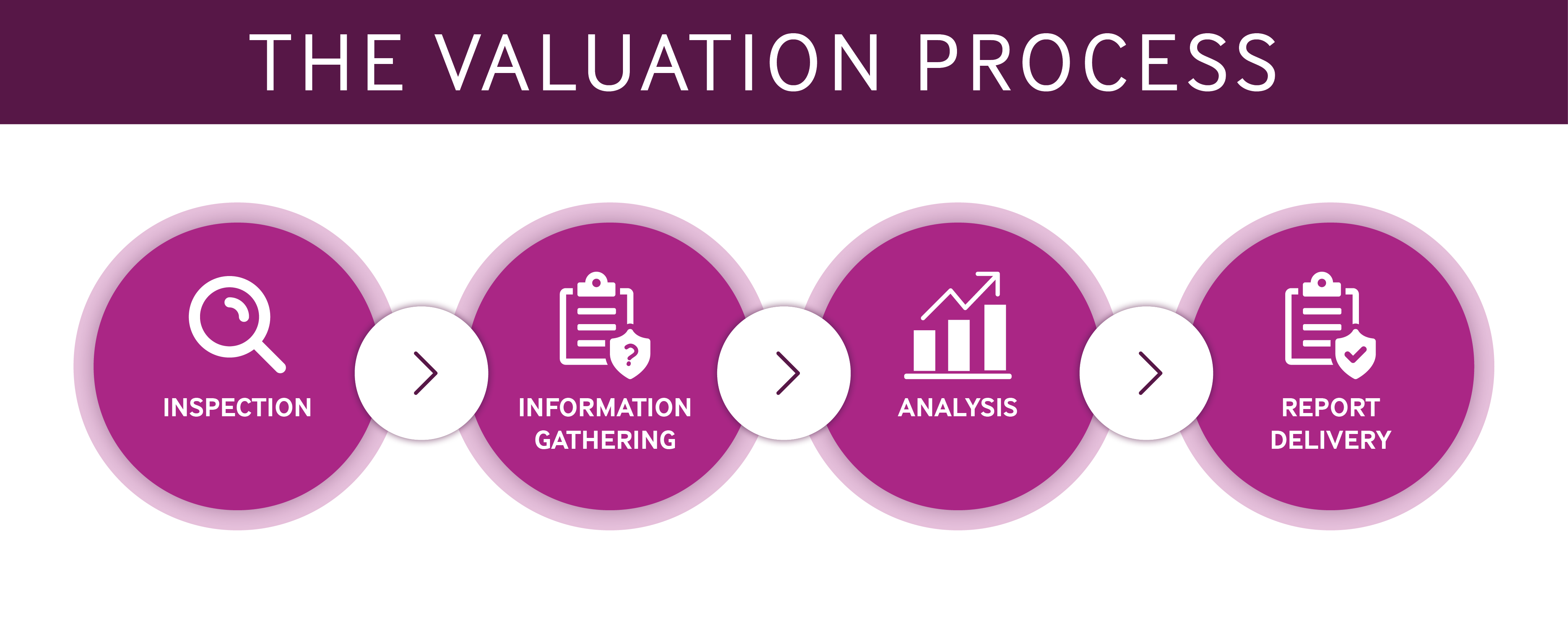
A formal valuation requires a Red Book-compliant report, which begins with a full inspection of the property to understand its physical condition, layout, and trading potential.
At Christie & Co, we specialise in valuing trade-related properties across our specialist sectors including hospitality, retail, medical, and care. In my work, I focus on hospitality and care valuations in the North East, and over the past year I’ve had the privilege of valuing a wide range of properties including pubs, holiday parks, garden centres and tourist attractions to name a few.
Unlike standard commercial properties like offices or warehouses, trade-related properties are valued based on their intrinsic earning potential. This means our inspections often include in-depth conversations with owners or managers about the business itself.
To support our valuation, we typically request:
- Historical financial accounts (usually the last three years)
- Business projections
- Key performance indicators
- Staffing schedules
- Any other relevant operational data
We combine this information with our inspection notes and statutory enquiries to compile the valuation report.
At Christie & Co, every valuation undergoes rigorous internal checks by specialists to ensure accuracy and consistency. Once complete, the report is sent to the client, and we remain available to answer any questions or provide further guidance.
When and why are formal valuations required?
The most common reason for a formal valuation is secured lending. Lenders typically require an independent Red Book valuation before approving finance, to ensure they have a reliable assessment of the property’s market value.
As RICS Chartered Surveyors, we act as trusted advisors to lenders, lawyers, accountants, private individuals, and businesses. RICS Chartered Surveyors undertake a thorough, in-depth assessment process to attain their chartership and meet the profession’s high standards, and only they are authorised to produce Red Book valuations.
Other common reasons for formal valuations include:
- Financial reporting - keeping an up-to-date market value of your property for accounting purposes is often essential for compliance. We are frequently instructed following recommendations from accountants.
- Acquisitions and disposals - Whether you're buying or selling a business, a valuation ensures you're transacting at market value. This is especially important in off-market deals or when selling to a sitting tenant without independent advice.
Summary
A formal valuation is more than just a number. It’s a comprehensive, evidence-based assessment that supports informed decision-making. Whether you're securing finance, preparing accounts, or planning a sale, having a current formal valuation can make all the difference.
To discuss your valuation requirements, contact Megan Till at Megan.Till@christie.com or +44 7701 315 066.