
Autumn Budget 2026: the key takeaways for business owners
On 28 October 2026, the Chancellor of the Exchequer, John Healey, presented his Autumn Budget to Parliament. Here are our key takeaways from the announcement.
Business. Built around You.
Your expert business property advisers
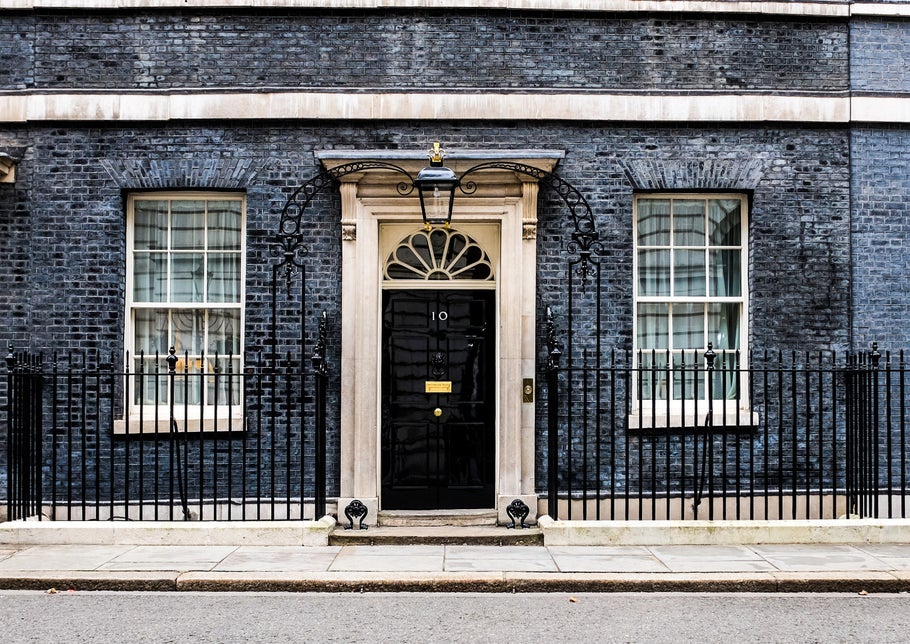
On Wednesday 28 October 2026, the Chancellor of the Exchequer, John Healey, presented his first Autumn Budget to Parliament.
At the centre of his Budget was a pledge to maintain “fiscal discipline”. Acknowledging the challenging economic climate, he said the Budget comes at a time when “global uncertainties and pressures are swirling worldwide and hitting people here at home”, setting out measures aimed at helping the UK navigate those pressures while supporting long-term growth.
Here are some of the key takeaways from today's announcement...
ECONOMY
- The Office for Budget Responsibility (OBR) predicts debt interest costs will be £14 billion higher this year
- In the first half of 2026, the UK economy was the fastest growing in the G7, alongside the US
- Business investment has increased
- Government borrowing is forecast to be: 4.2% of GDP this year, 3.4% in 2027, 2.9% in 2028, 2.1% in 2029 and 1.8% by 2030-31, according to the OBR
BUSINESS & TAX
- A new trading allowance will increase the amount people can earn from a new venture tax-free from £1,000 to £3,000
- A new Young Entrepreneurs Allowance will cover a year of living costs for young founders while they develop their businesses
- A new scale-up programme for female founders will see the British Business Bank double its commitments to women-led businesses through funds to £200 million
- A new Founders' Relief will introduce a 10% tax rate on lifetime gains of up to £10 million for founders of Britain's most successful firms
- Raise tax on income from property and savings by a further two percentage points from April 2027, on top of the same increase already announced last year
HIGH STREETS
- The Chancellor said the Government wants businesses to invest, recruit and expand, and is taking action to support high streets
- The Small Business Rate Relief threshold will increase from £12,000 to £18,000, providing a tax break for around 70,000 smaller firms
- Machine Games Duty will rise from 20% to 25% for higher-stakes gambling machines
- Adult gaming centres and vape shops will no longer qualify for business rates relief
- Online marketplace sellers will face tighter enforcement to ensure VAT cannot be avoided
BUSINESS GROWTH
- The Chancellor is reducing the threshold for business asset disposal relief in capital gains tax from £1m to £500,000, which will mean "no change for three in four claimants". Timing for this change wasn’t mentioned during the announcement
- Plans for fiscal devolution will allow business rates to be retained locally by the end of the decade, with mayors receiving a share of income tax revenue from 2028
- The Government intends to reform the Skilled Worker visa system, although limited detail was provided
- Tariffs will be suspended on more than 100 supermarket products to help keep costs down
- A £10 million alcohol duty relief package will be introduced for small brewers and cider makers
- Pubs, clubs and live music venues will receive a further 20% business rates relief
- Banks will pay an additional 3% surcharge, which will be time-limited to fund immediate support for energy bills. It will begin in January and end 15 months later
- Temporarily apply the additional payment to the existing 3% surcharge on banks, alongside a range of other tax increases, including measures affecting the gambling industry and levies on income from savings and property
ENERGY
- The Government's main priority is reducing energy bills and setting a new direction for energy policy, to bring costs more in line with those seen across Europe. Lower energy costs remain a key objective, and expanding clean power generation is central to achieving this. For businesses, a new framework designed to reduce energy bills by 25% is due to come into effect in April. The Government also plans to remove standing charges from household gas bills, with similar changes for electricity bills expected to follow
- The reduction in VAT on electricity bills from 5% to 0% had been due to end in March 2027. This measure will now be extended until July. There had also been speculation that the VAT reduction could be made permanent
- 20 million households in council tax bands A-D will receive a £100 Household Energy Payment this winter, paid directly into bank accounts to help with rising energy bills. The scheme is costed at £2.6 billion
WAGES & PERSONAL FINANCE
- National Minimum Wage and National Living Wage will increase by 3.9%
- The Chancellor confirmed adjustments to the triple lock and the establishment of a new National Care Service. “This will save £15 billion a year by the end of the 2030s, £50 billion by 2050,” he said. A rising State Pension and National Care Service will together provide support when older people need it, “taking the burden off families, taking the burden off our NHS.”
- Changes to Carer’s Allowance will mean people no longer lose their entire entitlement when their earnings exceed the threshold
- The Government will not proceed with the proposed reduction in the tax-free amount that people can put into a Cash ISA. The annual allowance will remain at £20,000. They will also work with the sector on a new “Starter ISA” to help make investing more accessible
- The Chancellor announced a further extension of the 5p fuel duty cut until next July. He also announced that, for those who need cars for work, the higher mileage rate will increase from 25p to 35p per mile, while the increase to the standard mileage rate will be made permanent
- The new Pension Tax Allowance means pensioners with income up to the value of the full new State Pension will not pay income tax “in this Parliament”
- Self-employed fathers and partners will become eligible for paid parental leave
- A First-Time Buyer ISA will replace the Lifetime ISA. Healey also pledged to address the LISA penalty, so that if the home a buyer wishes to purchase exceeds the current price limit, they will receive back "at least what you put in". The Chancellor also announced the new Your First Home Scheme for first-time buyers. From next spring, the widely anticipated equity loan scheme will be funded with £4.7 billion of government-backed lending. It is expected to be available to first-time buyers with a 2.5% deposit and will provide an equity loan worth 20% of the value of a new-build property
BUILDING & CONSTRUCTION
- No major changes to building regulations, except where required for safety reasons
- Removal of biodiversity net gain (BNG) requirements will be removed on brownfield sites up to 1.5 hectares
OTHER
- The Chancellor set out a new deal for UK data centres and said that when the NHS and armed forces use AI, "we want that data here”. The British Data Centre Covenant, the Chancellor said, will include "strict tests that data centres must meet”
- £15 million of funding will be provided to organisations that give books to children
Commenting on the impact of the announced changes on businesses, Darren Bond, Global Managing Director at Christie & Co, said, "Today’s Budget contains some welcome measures for UK businesses, but the real test will be whether they are enough to give owners and operators the confidence to invest, recruit and grow. The proposed reduction in energy bills and additional business rates support should provide some meaningful relief, particularly for businesses in energy-intensive and property-based sectors that have been managing sustained cost pressures.
"The measures designed to encourage entrepreneurship and investment are also positive. However, businesses continue to face a challenging cost environment, and the 3.9% increase in the National Living and Minimum Wage will add further pressure for labour-intensive sectors such as hospitality, care, childcare and retail.
"For business owners considering a sale, the changes to Business Asset Disposal Relief will be particularly relevant and will need to be factored into decisions around the timing and structure of a transaction. Ultimately, business confidence comes from certainty. Owners and operators need a stable tax and regulatory environment that allows them to plan, invest and make long-term decisions with confidence. Today’s measures offer some support, but their success will ultimately be judged by whether they translate into stronger investment and sustainable growth across the UK economy."
For a confidential chat about how today’s announcement might impact your business, get in touch: enquiries@christie.com