
Labour Party Conference 2026: key takeaways with a childcare and education focus
One of my key observations from this year’s Labour Party Conference was the continued evolution in both the positioning of early years education and childcare, and the language used to describe and discuss the sector.
Business. Built around You.
Your expert business property advisers

Courteney Donaldson
Managing Director - Childcare & Education
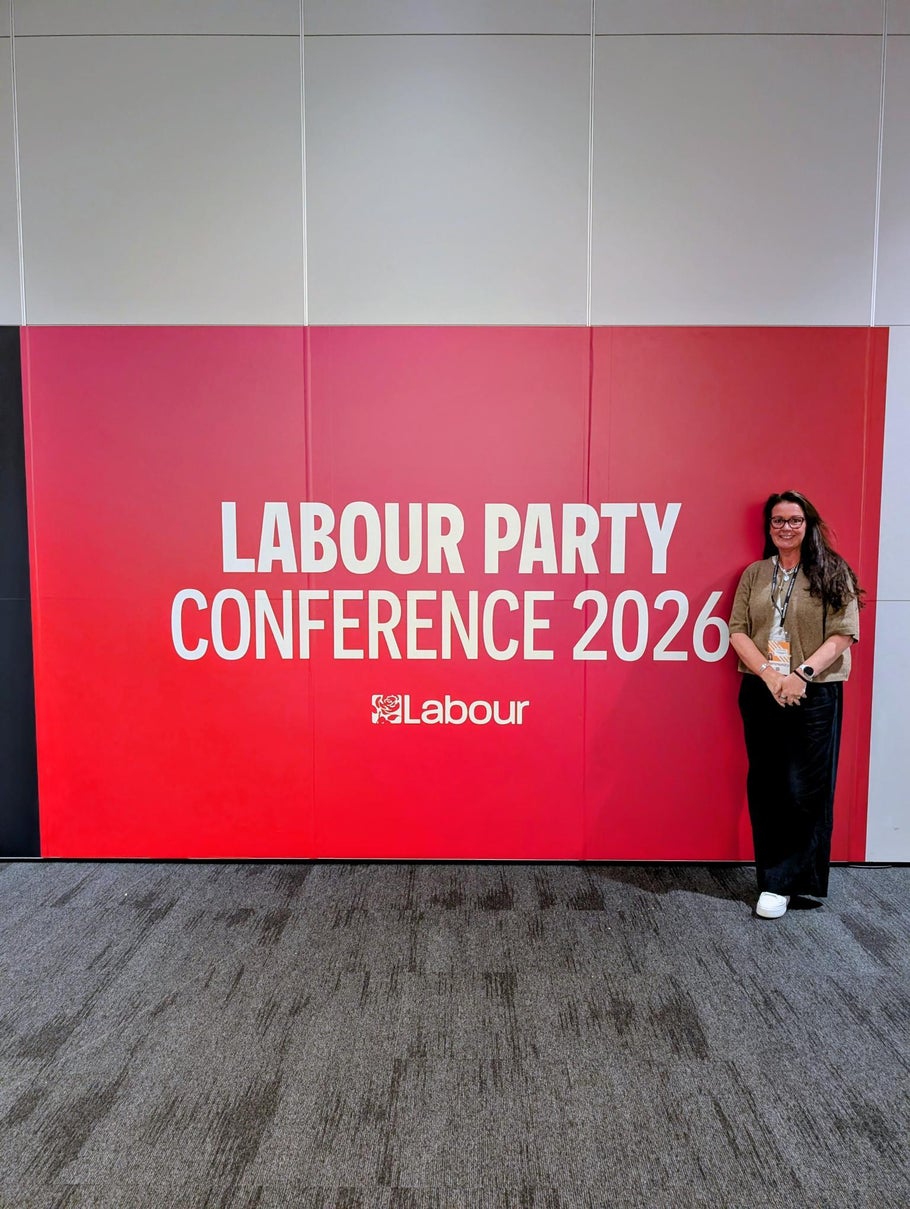
Image: Courteney Donaldson, Managing Director - Childcare & Education at the Labour Party Conference in September
The clear message from Liverpool was that early education and childcare are increasingly being viewed as more than a service for working parents. They are being positioned as essential social and economic infrastructure: supporting children’s development and life chances, helping families to thrive, enabling parents to work and contributing to long-term economic growth. That feels particularly significant against one of the wider themes running through the conference: the need to tackle economic inactivity and the growing number of young people who are not in education, employment or training. The challenge cannot simply be addressed at 16 or 18. Prevention and early intervention have to start much earlier, which strengthens the case for investment in high-quality early education as part of the country’s long-term economic and social infrastructure.
For those operating across the childcare and education sectors, the conference provided a useful insight into where future policy discussions may be heading.
Giving Every Child the Best Start in Life
Across multiple sessions, speakers highlighted the benefits of early intervention and family support, while emphasising that investing in children during their earliest years can have lasting benefits for both individuals and society.
Family Hubs featured heavily throughout discussions, with Labour continuing to position them as a key part of delivering joined-up support for children and families. Alongside this was a clear focus on mental health, SEND reform and strengthening services that help families before challenges reach crisis point. A consistent message was that supporting children and families early is not only the right thing to do but can also reduce pressure on public services in the future.
Growing Attention on Babies and Early Childhood
The proposed ‘Baby Bill ’or, to give it its full title, the Infants, Parents and Carers Bill, was referenced at several events that I attended. Discussions frequently centred on the first 1,001 days of a child's life, highlighting the importance of infant development and greater integration between health, education and care services.
More broadly, there was a sense that early years’ provision is increasingly being recognised as part of the foundations that support children's development, family stability and parental employment, while helping to reduce inequalities from the earliest stages of life. This theme was particularly evident during the Shaping Childhood reception, where speakers discussed the importance of family support, early intervention and helping children, families and parents navigate an increasingly digital world.
Child Poverty Remains High on the Agenda
While measures such as the abolition of the two-child benefit cap and the expansion of free school meals have been welcomed, many discussions focused on what comes next.
Sessions explored a range of topics including family incomes, Child Benefit reform, Universal Credit and the ongoing impact of cost-of-living pressures. There was also a significant emphasis on ensuring that people with lived experience of poverty are involved in shaping future policy.
High-quality, accessible early education and childcare featured prominently in these conversations, with speakers regularly describing it as essential infrastructure not only for supporting employment, but also for tackling poverty and improving life chances.
The Growing Role of Devolution
Devolution was another strong theme across many of the events I attended at this year’s conference. Across early education, childcare, SEND, skills, employment and apprenticeships, there was a clear push towards greater regional autonomy and place-based commissioning.
For providers, the direction of travel is significant: as more influence over funding and service delivery moves away from the centre, strong regional relationships and an understanding of local priorities could become increasingly important.
Childcare, Workforce and Economic Growth
A recurring theme throughout the conference was the link between childcare, workforce participation and economic growth. Speakers regularly connected high quality childcare to employment, skills, apprenticeships, productivity and women's participation in the workforce.
Workforce challenges also featured prominently, with discussions focusing on recruitment, retention and professional recognition. Comments from Minister for Early Education, Paul Waugh MP, about the potential for national pay scales attracted significant attention, although concerns were raised about how any future reforms could be funded.
What Does This Mean for the Sector?
The conference discussions indicated that Labour's focus is likely to remain on:
- Expanding support for babies, children and families, including further investment in Family Hubs and integrated local services
- Tackling child poverty and improving outcomes through early intervention and wider family support
- Recognising early education and childcare as an enabler of parental employment, skills and economic growth
- Improving workforce recruitment, retention and recognition
- Strengthening locally led and place-based approaches to service and investment
Final Thoughts
My main takeaway from this year’s conference was how much the conversation around early education and childcare has evolved. Whether the focus was poverty, SEND, family support, employment, equality or economic growth, there was a shared understanding that these issues are deeply connected and cannot be tackled in isolation.
Early education and childcare are increasingly being recognised not only for enabling parents to work, but also for their role in supporting children’s outcomes, social mobility and long-term economic growth. That shift in thinking is encouraging and reflects what those in the sector have known for many years.
The challenge now is ensuring that policy and funding keep pace with this ambition. As the Government’s agenda develops, the test will be whether this growing recognition translates into meaningful support for providers, children and families.
To discuss the Childcare & Education market in more detail, get in touch with Courteney Donaldson, Managing Director - Childcare & Education: courteney.donaldson@christie.com or +44 161 833 6924