
NDNA Conference 2026 takeaways: shaping tomorrow through Early Years
In this blog post, Courteney Donaldson (Managing Director – Childcare & Education, Christie & Co) shares her key takeaways from the 2026 NDNA Conference.
Business. Built around You.
Your expert business property advisers

Courteney Donaldson
Managing Director - Childcare & Education
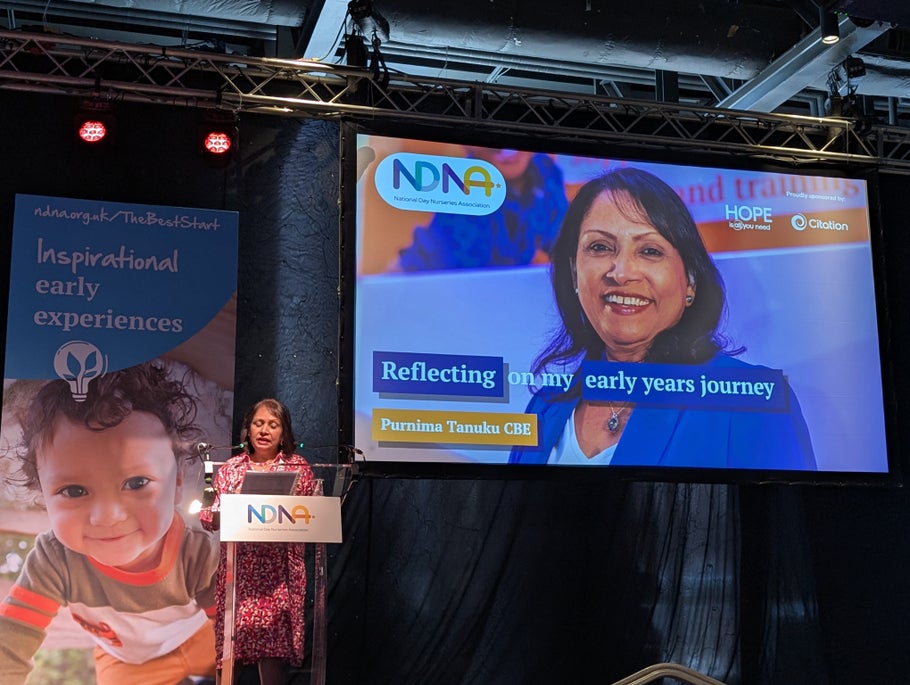
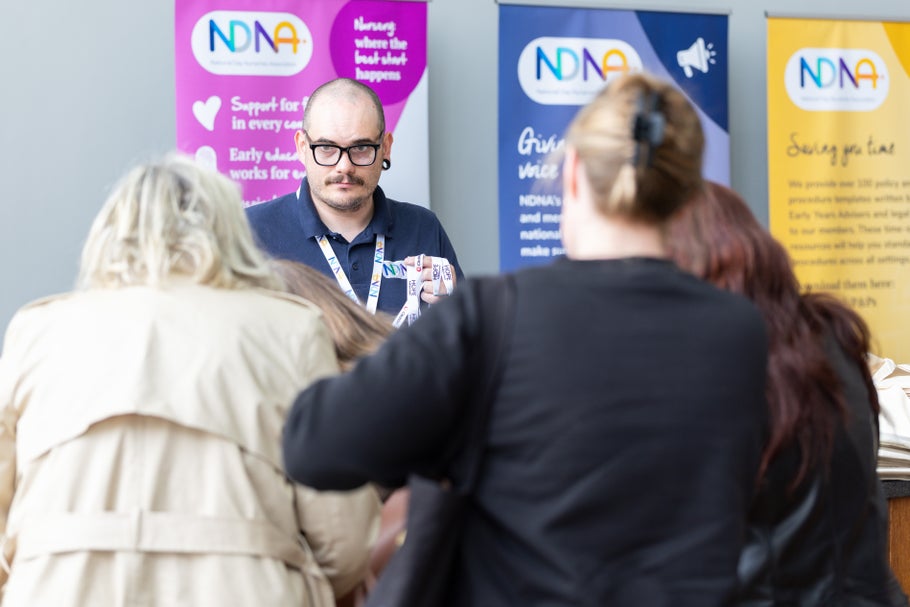

The NDNA Conference 2026, held at the Titanic Hotel in Liverpool, brought together leaders, educators, and policymakers from across the early years sector under the theme ‘Transforming tomorrow: the power of early years today.’ It was a truly energising event, combining thought-provoking insight with honest reflection on the challenges facing the sector.
Opening the conference, Matilda Martin (Political Reporter at PoliticsHome) set the context against a backdrop of political change, highlighting the growing importance of early years within national debate.
NDNA Chief Executive, Tim McLachlan, followed with a clear and compelling message that today’s decisions will define children’s futures. He emphasised the need for sector stabilisation and called for a level playing field across funding, inspection, SEND provision, and the additional cost burdens faced by private and voluntary providers. His address reinforced NDNA’s role in consistently spotlighting these challenges.
Among the standout speakers was Professor Dr Ger Graus OBE, whose powerful presentation reminded delegates that education begins at birth and extends throughout life. Emphasising that “children can only aspire to what they know exists,” he challenged the sector to think beyond delivery and instead focus on shaping citizens, calling for stronger collaboration between educators, families, and communities.
Professor Sam Wass provided a scientific perspective, exploring how modern environments are reshaping childhood. He explained that young brains need repetition and predictability, yet today’s fast-paced, overstimulating world often delivers the opposite, leading to dysregulation. His message was clear: slowing down interactions and prioritising calm, outdoor environments is essential for healthy development.
From a policy perspective, Olivia Bailey MP, Parliamentary Under-Secretary of State (Minister for Early Education and Children), outlined the Government’s vision for early education and care, describing it as a “new public service built together.” Her priorities focused on safeguarding, greater system integration and delivering consistent quality, supported by investment in workforce recruitment and retention. However, her characterisation of the sector as a public service prompted some concern among providers, reflecting ongoing tensions within a largely private delivery model.
A particularly poignant moment came with Purnima Tanuku CBE’s farewell address, marking over two decades leading NDNA. Her reflections charted the sector’s transformation - from the introduction of the 15-hour entitlement in 2006 to today’s expanded offer from nine months, alongside growth from approximately 15,000 to 23,000 nurseries. While celebrating progress, she was candid about the pressures beneath it: continuous policy change, funding challenges, and increasing expectations on providers.
She stressed that, while ambition for early years has grown, it has not always been matched by sustainable funding or operational support. Yet, through it all, NDNA has played a critical role in shaping policy, not simply responding to it, and ensuring the voice of providers remains heard. Her closing reflection - that “the journey has only just begun” - resonated strongly across the room.
Workforce challenges were further explored by Farrah Farooq, who examined the realities of leading Generation Z. With a digitally native workforce often lacking confidence in face-to-face communication, she said, the importance of empathetic leadership, clear expectations, and visible career pathways is key.
Safeguarding was another central theme at the conference. A panel of experts stressed that responsibility must sit with everyone, underpinned by a culture of openness and rigorous reporting. Discussions around CCTV highlighted both its potential benefits and significant risks, particularly around data protection. Sir Martyn Oliver (His Majesty’s Chief Inspector at Ofsted) reaffirmed the commitment to building a safer and more transparent system, including more frequent inspections and stronger accountability.
Overall, the conference served as a powerful reminder of the vital role that early years plays not just in education, but in shaping society, and the shared responsibility to ensure every child has the best possible start in life.
A POWERFUL AND FITTING CLOSING FAREWELL TO PURNIMA TANUKU CBE
Over more than two decades, Purnima has been one of the early years sector’s most influential voices - championing providers, shaping national policy, advocating for, and elevating the profile, importance and recognition of early education.
From the introduction of the 15-hour entitlement to today’s expanded offer from nine months, the sector has evolved significantly; growing in scale, recognition, and impact over the decades. Yet, as Purnima reflected, this progress has often come alongside ongoing challenges around funding, policy change, and sustainability.
What stands out most has been Purnima's unwavering commitment to advocacy and ensuring the voice of providers is heard.
It’s been a privilege to work alongside her over the years, and I wish her every success in her next chapter.
To discuss the future of the early years sector in more detail, get in touch with Courteney Donaldson: courteney.donaldson@christie.com or 07831 099 985