

Business Outlook 2026 | Leisure
In this section, we explore the leisure market in 2025 and provide predictions for the sector in 2026.
Market Overview
The UK leisure sector, which encompasses a diverse range of market segments including holiday parks, marinas, visitor attractions, gyms and cinemas, continues to demonstrate resilience amid a complex economic and regulatory landscape. While consumer appetite for experiences remained strong, operators faced a mixture of headwinds and opportunities as they navigated 2025.
Consumer spending on leisure activities rebounded post-pandemic, with holiday parks, marinas, and active leisure venues seeing growth driven by demand for short breaks and wellness experiences. However, investment volumes in leisure property remained subdued, with concerns over occupier credit ratings and uneven recovery across sub-sectors.
Interest rates fell, offering some relief for operators and consumers, yet inflationary pressures persisted, particularly in energy and staffing costs. The rise in National Living Wage and employer National Insurance contributions announced in 2024 intensified cost burdens, with insolvency rates still above pre-pandemic levels and further Minimum Wage hikes announced in the Autumn Budget 2025. Bank funding has remained cautious, with lenders structuring deals conservatively and favouring established operators over newcomers.
Labour shortages continued to affect the sector, especially in skilled roles across fitness, entertainment and tourism, with operators responding with increased automation and flexible staffing models, though recruitment remains a concern. The sector’s reliance on seasonal and part-time labour typically exacerbates these challenges, particularly in rural and coastal destinations.
ESG considerations are increasingly shaping investment and operational decisions in the UK leisure market. Where possible and economically viable to do so, leisure operators are responding with initiatives around energy efficiency, biodiversity and community engagement.
AI adoption in the leisure sector remains in its infancy but has been growing on the back of product improvement and the ability to replace certain tasks in a more cost-effective way. However, the UK government’s light-touch regulatory approach to AI means operators must navigate a patchwork of best practices and sector-specific guidance. For many leisure businesses, especially SMEs, the relevance and return on investment of AI investments remain uncertain.
There has been a noticeable shift in investor interest, with investors increasingly drawn to assets that offer immersive, experiential and wellness-oriented offerings, driven by changing consumer preferences and lifestyle habits. We have also seen a rise in high-net-worths and family offices investing in the sector. Mixed-use developments incorporating leisure elements are gaining traction, particularly where they contribute to placemaking and community value.
Overall, the leisure sector is cautiously optimistic heading into 2026. Our leisure team continues to service some significant holiday park, marina and visitor attraction mandates. Whilst investment volumes in leisure property remained subdued, we have remained extremely busy responding to numerous buyer enquiries from the occupier cohorts, with a noticeable uptick in enquiries from financial institutions looking to enter or expand in the residential and holiday park market. The interest from our exposure of Project Charles to the open market in 2024, and in our mandate to confidentially market a regional portfolio of parks in 2025, underpins the strength of demand.


Jon Patrick
Head of Leisure & Development
Market Sentiment
We anonymously surveyed leisure professionals across the country to gather their views on the year ahead.


Key Market Trends
Market Predictions for 2026
- Continued growth in experiential and active leisure, fuelled by consumer demand for experiences.
- Integration of AI and automation, primarily in customer service (such as chatbots), dynamic pricing, and predictive maintenance.
- ESG will become a competitive differentiator and core investment criteria.
- Staffing pressures will drive workforce innovation, as labour shortages will persist particularly in seasonal and skilled roles. Businesses will need to respond with flexible contracts, upskilling programmes and automation in low-complexity tasks.
- Energy and insurance costs will remain volatile and interest rates, though expected to slowly fall, will keep financing comparatively expensive. Bank lending will continue to favour established operators.
Major Transactions in 2025
| Date | Business | Purchaser | Details |
| Jan | Zip World | Dolphin Capital | Zip World was acquired by private equity firm Dolphin Capital in a deal worth £100 million. The business comprises eight locations across Wales and England, with visitor numbers of around 650,000. |
| Feb | Safe Harbor Marinas | Blackstone | Blackstone acquired Safe Harbor Marinas for $5.65 billion. Safe Harbor owns and operates 138 marinas across the US and Puerto Rico and is the industry leader in boat storage and servicing. |
| May | All Star Lanes | The Light | Cinema and entertainment operator The Light acquired boutique bowling alley operator All Star Lanes, both businesses being backed by Luke Johnson and Risk Capital Partners. |
| May | Aspers Westfield Casino | Genting Casinos | Aspers Westfield casino in Stratford, London, the UK's biggest casino in terms of floor space, was acquired by Genting Casinos for an undisclosed sum. |
| June | Powerleague | Broadsword Investment Management | Five-a-side football company Powerleague was acquired by UK-based Broadsword Investment Management Ltd with Powerleague’s existing management team to remain in place. |
| June | Ruda Holiday Park (Parkdean Resorts) | John Fowler Holidays | John Fowler acquired Ruda Holiday Park in North Devon from Parkdean Resorts after 23 years of ownership. The 300-acre park comprises 817 pitches for static lodges and caravans, touring and tenting, as well as a glamping village. |
| Aug | Waterworld in Festival Park, Stoke-on-Trent | Groupe Looping | Waterworld in Festival Park, Stoke-on-Trent was acquired by French visitor attraction operator Groupe Looping for an undisclosed sum. |
| Aug | Richard Purcell Estates | Aquavista Marinas | Aquavista Marinas acquired Fettlers Wharf Marina near Ormskirk, together with Furness Vale and Marple Marinas near Stockport adding c. 233 berths to its portfolio. |
| Sept | Pump Gyms | NRG Gyms | NRG Gyms acquired Pump Gyms for an undisclosed sum. The deal included five sites in Northampton, Norwich, Bedford, Colchester and Hatfield, taking the NRG portfolio to 12. |
| Sept | TDR Capital III | TDR Capital Titan Fund | TDR Capital sold its stake in David Lloyd Leisure to a newly formed continuation vehicle having struggled to find a buyer to match its price expectations on a number of occasions. |
| Sept | Boatfolk | Premier Marinas | Wellcome Trust-backed Premier Marinas acquired Mansford-backed Boatfolk Marinas with 4,200 berths across 11 marinas for an undisclosed sum. The acquisition take Premier Marinas to 22 locations and over 9,200 berths. |
| Sept | Aquavista Watersides and Marinas | Antin Infrastructure Partners | Antin Infrastructure Partners signed a binding agreement to acquire Aquavista Watersides & Marinas for an undisclosed sum. With 32 inland and coastal marinas, Aquavista is the UK’s largest marina infrastructure provider. |
| Sept | 29 Merlin Entertainments venues | Lego Group | Lego agreed to buy 29 entertainment venues branded as Lego and Legoland Discovery Centres from Merlin Entertainments for £200 million as part of a strategy to take more control of sites linked to its brand. |
| Oct | Leisure TV Rights | Oxygen Activeplay | Oxygen Activeplay aquires Imbiba-backed experiential operator Leisure TV Rights and its five Ninja Warrior UK adventure parks in Bristol, Leeds, Liverpool, Teesside and Walsall to increase its portfolio to 18 sites. |
| Dec | Lightwater Valley Theme Park | Mellors Group | Mellors Group, the owners of Fantasy Island and Skegness Pier, acquired Lightwater Valley Theme Park off a guide price of £3 million. |
| Dec | Beechdown Health Club | Bannatyne Group | The Bannatyne Group acquired Beechdown Health Club in Basingstoke for an undisclosed sum, off a guide price of offers in excess of £4 million. |
Marinas
Market Overview
The marina market remains a niche but resilient segment within the leisure industry, supported by strong demand for berthing and associated services. While the pandemic-driven boating boom has eased, occupancy rates at established marinas remain high, with growing interest from younger demographics entering a traditionally older market.
The market is characterised by limited supply due to planning constraints, environmental protections and the very considerable cost of development, which underpin valuations and restrict new development opportunities. Transaction activity in 2025 was buoyed by the sale of the Aquavista and Boatfolk portfolios, along with a number of independently owned high-profile sites, and investor appetite persists for prime assets underpinned by stable cash flows and scarcity value.
The cost of borrowing and running costs were key considerations for marina operators, with banks favouring experienced borrowers. Inflation continued to elevate operating costs, particularly energy and maintenance, while deferred capital works remained challenging for smaller operators.
Planning and environmental regulations remain a significant barrier to expansion, with marine biodiversity targets and Highly Protected Marine Areas influencing development timelines. Operators have looked to incorporate energy efficient business practices and waste reduction, but the pace of change has been impacted by the wider economic environment.
The Regulation Action Plan and marine policy framework state their aims to streamline regulatory processes, but businesses still report compliance as a major operational burden.
Market Predictions for 2026
- An increase in corporate M&A and consolidation activity, following the Aquavista and Boatfolk transactions.
- Greater emphasis will be placed on the quality of berthing income as new boat brokerage sales are expected to remain more challenging, with operators pivoting towards greater churn of second hand/lower value stock.
- Marinas with more than 200 berths and with opportunities to diversify the business will be in greatest demand.
- Poorly invested marinas will be at greatest risk of business failure, and we may anticipate further potential distress involving both secured lenders and HMRC seeking to protect their positions.
- We expect to see further cross-sector acquisition activity from the holiday and residential park markets as well as high net worth individuals making selective acquisitions.
- Retirement sales will continue to increase as family succession options and potential capital gains tax liabilities influence decisions to come to market.
Case Studies

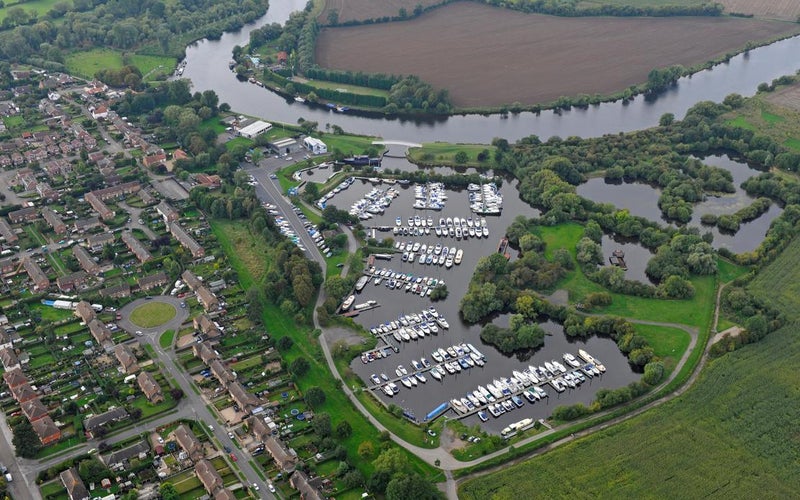
Farndon Marina, Nottinghamshire
In June, Farndon Marina, one of the East Midlands' finest boating facilities, was sold to Tingdene Group.
Located on the River Trent in Nottinghamshire, Farndon Marina had been owned by the Ainsworth family since 1966, when the 25-acre site was originally purchased and developed by local businessman and boating enthusiast Mark Ainsworth. The sale facilitared the well-earned retirement of Mark’s son Paul and his wife Janet.
The acquisition adds over 300 berths to Northamptonshire-based Tingdene Group’s growing national marine portfolio.
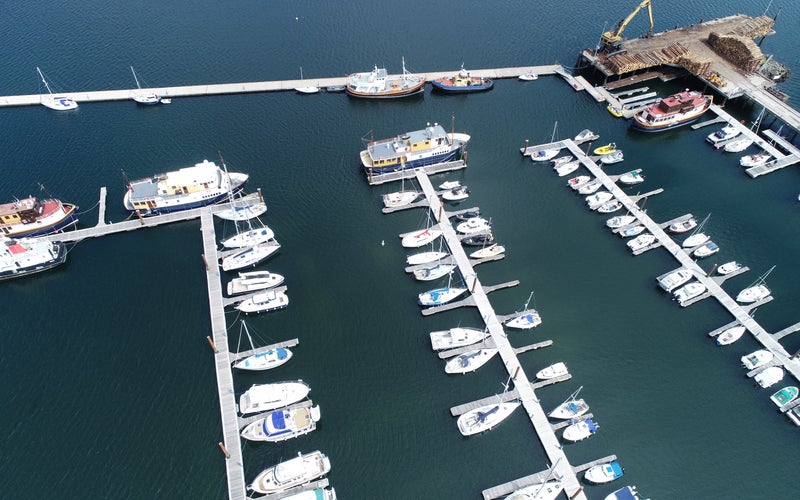
Holy Loch Marina, Scotland
In August, Holy Loch Marina, a 250-berth marina in Sandbank, on the Firth of Clyde, was also sold to Tingdene Group.
Holy Loch Marina is situated at the gateway to the West of Scotland and the Western Isles, and is a key boating destination catering for sailing enthusiasts from all over Scotland, the UK and beyond.
The acquisition marks an important milestone for Tingdene Group, taking their marine portfolio to 12 sites across the UK with their first expansion into Scottish waters.
Holiday Parks
Market Overview
The holiday park market proved quite unpredictable in 2025, where we experienced a ‘buyer’s market’, with operators being very selective about which parks are the right fit for their portfolios. We have seen a wide range of offers being tabled for park businesses in 2025 and market sentiment as a result has been varied. There have been less speculative or opportunistic acquisitions by operators, as the economic roadmap to recovery continues to provide fiscal diversions.
Demand remains high for larger parks of more than 150 pitches, with dependable pitch fee income. In this respect, the higher inflationary environment has meant that pitch fee income on desirable holiday parks continues to grow. Meanwhile, fleet hire biased businesses have experienced greater operational challenges from the well-documented increases in wage costs and employer National Insurance Contributions.
The wider macroeconomic landscape and sustained higher interest rate environment are putting pressure on the sector in terms of higher financing costs, heavily impacting cash flow. Fundamentally strong businesses which are over-leveraged can still struggle, and we have noted an increase in distressed activity across the sector in 2025.
Development finance continues to be relatively expensive. A weak underlying caravan sales market, once sites have been developed, has resulted in demand for holiday park development sites continuing to be low.
The general market outlook is cautious; however, the long-term prospects for the sector remain optimistic. Holiday parks continue to innovate and provide compelling domestic holiday options. There is a high level of tied-up capital, both in the market itself and from a consumer point of view, and once there is less uncertainty in the market, the sector is well-placed to grow.
This year, we have successfully concluded the sales of both trading and vacant holiday parks and have further individual and corporate deals in the pipeline, and we are expecting further growth in 2026.
Market Predictions for 2026
- A rise in re-financing activity, given the anticipated decrease in the base rate.
- Small improvements in hire fleet performance, as anticipated utility costs decline and inflation falls.
- Continued caution on forward-looking development projects.
- A greater amount of corporate M&A activity.
- Potential legislative changes in favour of holiday home owners.
Case Studies
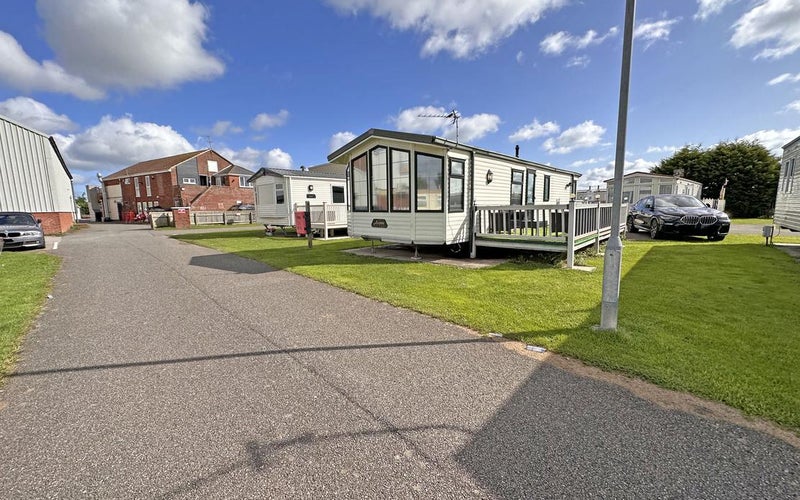
Chapel Sands Caravan Park, Lincolnshire
This trading holiday and residential park sold for an undisclosed sum off a guide price of £1.6 million, demonstrating that realistic pricing is key. Multiple offers were received for the park with the transaction benefitting from competitive tension.
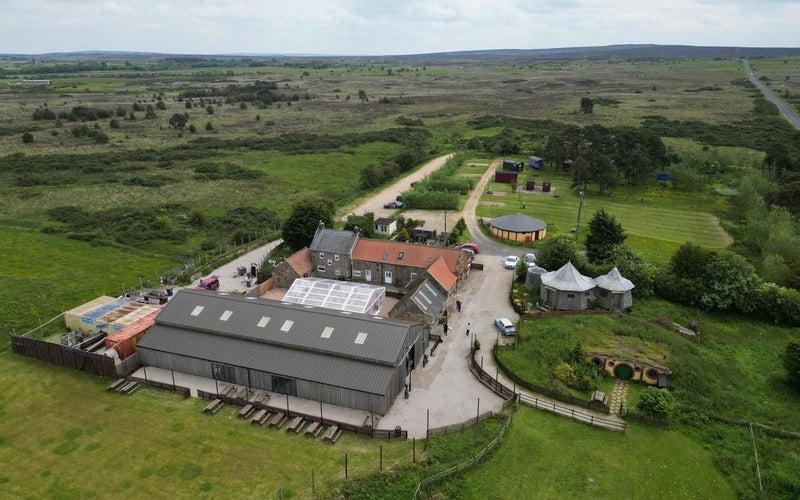
North Shire, North Yorkshire
This closed campsite and holiday cottage complex was in receivership and sold for an undisclosed sum, off a guide price of £725,000. The property received a lot of interest and eventually sold under a ‘best and final’ bids scenario.
Sandy Gulls Holiday Park, Norfolk
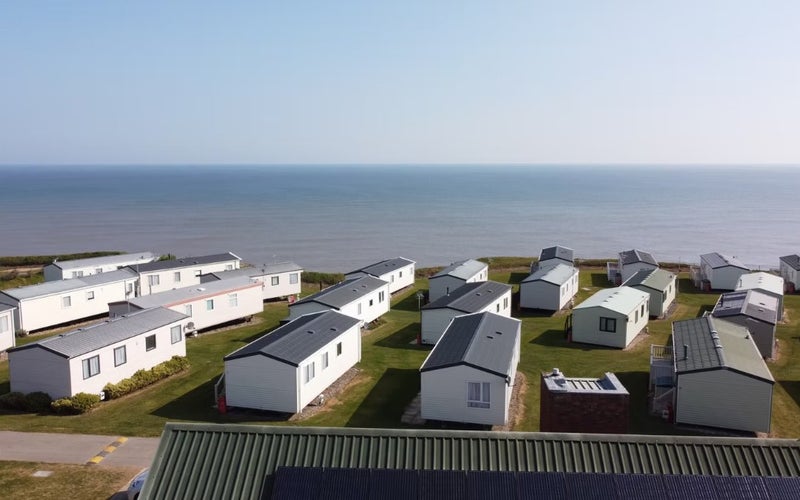
In October 2025, we were instructed to value Sandy Gulls Caravan Park. Located on the Norfolk coastline, the business was established in 1979 and trades as a holiday park offering impressive coastal views from its clifftop location. The site comprises over 100 static pitches as well as touring pitches and chalets, having been organically expanded over the years.

Heathland Beach Caravan Park, Suffolk
We were instructed by NatWest to provide formal valuation advice on Heathland Beach Caravan Park in Suffolk, which was being acquired by one of the bank’s customers. The park comprises 290 static, lodge and touring pitches in an affluent clifftop village.
Visitor Attractions
Market Overview
The visitor attraction market, spanning museums, theme parks, heritage sites, and cultural venues, remains a cornerstone of domestic tourism and leisure spending. Despite economic uncertainty, demand for immersive experiences and family-oriented activities continues to grow, supported by strong consumer interest in cultural and outdoor attractions.
Visitor numbers have largely recovered to pre-pandemic levels, with major attractions reporting steady footfall. However, as market headwinds continued to impact discretionary spend by consumers, a number of operators have reported flat or slightly declining revenue. This in turn has impacted investment activity which remained subdued due to high financing and more uncertainty over returns on investment.
Interest rates have eased but remain elevated compared to historic norms, impacting borrowing costs for capital projects which, in the visitor attraction sector, can be significant. Inflation continues to push up operating costs, while wage pressures add further strain. Investment in automated ticketing and visitor services are a reflection of both staffing costs and quality staff availability.
Planning delays and regulatory complexity remain significant hurdles for attraction development. Compliance with heritage and environmental standards adds time and cost to projects, and despite government efforts to streamline processes, the reality is that planning timescales remain a major frustration within both the visitor attraction and wider operational real estate sectors.
Market Predictions for 2026
- Visitor attractions will increasingly integrate augmented and virtual reality and interactive technologies to create immersive experiences.
- AI will gain traction in visitor flow management, dynamic pricing and predictive maintenance. Larger attractions will lead adoption, while smaller operators are more likely to experiment cautiously due to cost and ROI concerns.
- ESG compliance may more greatly influence bank lending and investor decisions, with environmental sustainability likely to become a key differentiator for businesses.
- Labour shortages will likely continue and operators will respond with flexible contracts and automation.
- The cost of capital and planning constraints will limit large-scale new developments, with operators likely to focus on upgrading existing facilities and adding premium experiences.
Case Studies
Beechdown Health Club, Hampshire
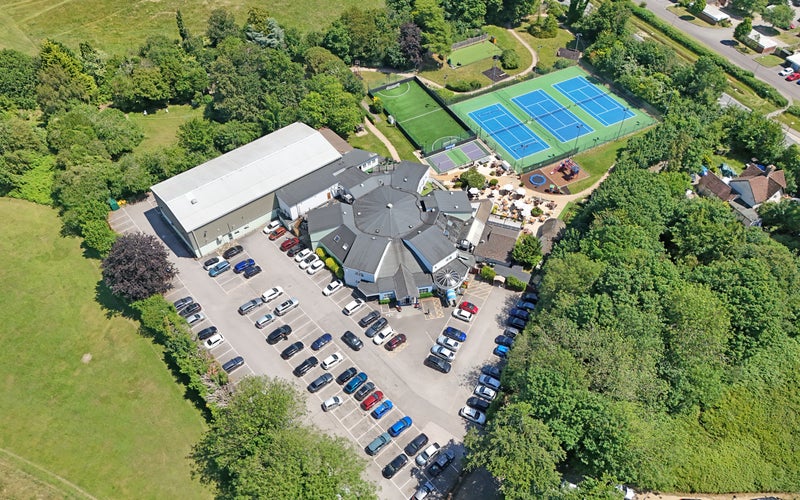
In December 2025, we announced the sale of Beechdown Health Club in Basingstoke to the Bannatyne Group, one of the UK’s leading health and wellness operators.
Established in 1992 and operated by the same family for over three decades, Beechdown Health Club has become a landmark destination for premium health and wellness in the region, offering an extensive range of indoor and outdoor facilities.
Bannatyne Group’s acquisition marks its first in Hampshire, with plans to build on the club’s strong racquet sport offering with the installation of new padel courts in the first half of 2026. The Darlington-headquartered Group, owned by serial entrepreneur and former Dragons’ Den investor Duncan Bannatyne, now operates 67 health clubs across England, Scotland, Wales and Northern Ireland.

Aucheterader Golf Club, Scotland
Acting on behalf of Virgin Money, we provided the valuation of the long leasehold interest in Auchterarder Golf Club, to allow the club to continue to develop the course grounds and buildings. Established in 1892, Auchterarder Golf Club is a parkland course of 5,800 yards, with views over Glendevon. The course is known as one of the finest parkland courses in central Scotland and runs alongside the PGA Centenary Course at Gleneagles, the venue for the 2014 Ryder Cup.