

Business Outlook 2026 | Convenience Stores
In this section, we explore the convenience store market in 2025 and provide predictions for the sector in 2026.
Market Overview
The convenience store sector continues to evolve with an influx of strategic restructuring from larger multi-site operators and corporates, many of whom are selectively divesting stores that underperform within their own models.
Inflation, combined with wage and National Insurance increases, has resulted in many operators focussing on high-footfall, larger locations.
This shift is not purely geographic, but also conceptual, as operators started to embrace hybrid formats that blend traditional convenience with ‘foodvenience’ - a fast-growing, on-the-go offering tailored to changing consumer priorities.
The emergence of younger, entrepreneurial independent retailers influencing buyer demand is particularly noteworthy. Business models have been fine-tuned during and post-pandemic, fuelling confidence to expand.
This generational resurgence is driving a more agile and community-responsive retail landscape, where success is increasingly defined by localised stock selections and operational efficiency through economies of scale.
We expect no slowdown in the surge of acquisition demand for sites, particularly across the North West, Yorkshire, the Cotswolds, and close to major cities like Birmingham and Nottingham, as well as Scotland’s Central Belt. We are still seeing a slight discount for businesses in remote locations, such as South Wales and Cornwall, which lie a long distance from where many buyers are based.
We expect demand to continue at the current level as we move into 2026, particularly as banks are keen to lend to experienced owners.


Steve Rodell
Managing Director – Retail & Leisure
Key Market Trends

Market Predictions for 2026
- Operators will continue to embrace hybrid formats to blend traditional convenience with on-the-go tailored service for the modern customer.
- Emerging younger, entrepreneurial independent retailers will look to acquire stores and expand.
- Strategic divestment by corporate operators will continue.
- There will be an ongoing shift toward targeting a younger customer base, through employing innovative technologies and social media engagement.
- Prime and good secondary convenience store investments below £1.5 million will remain popular with private investors but demand for weaker secondary/tertiary properties will be less robust.
Case Studies

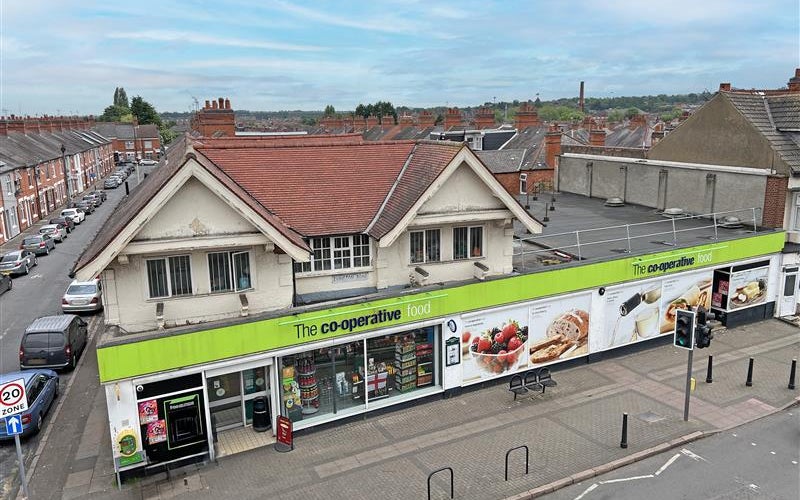
Project Smith, Midlands
16 predominantly freehold convenience stores across the East Midlands were sold by Central Co-op to Samy Group Ltd, off an asking price of £8 million. The sale completed in March 2025.
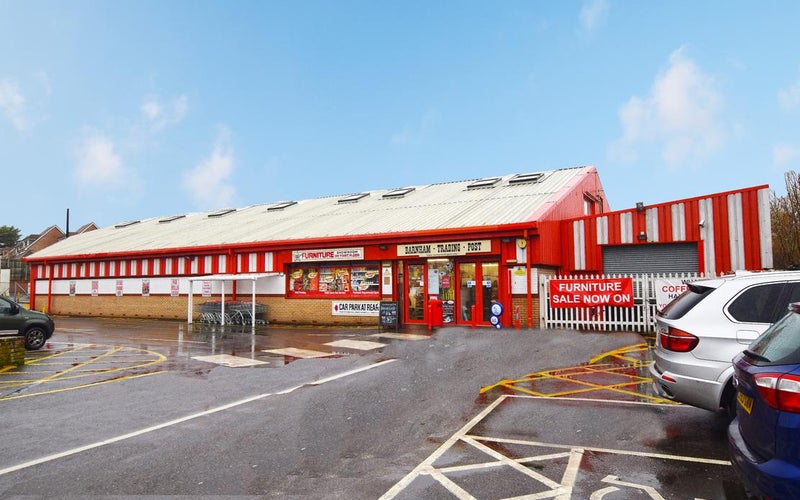
Barnham Trading Post, West Sussex
This high turnover, family-run store and post office near Bognor Regis was sold for the first time in 20 years and acquired by an experienced independent retailer.
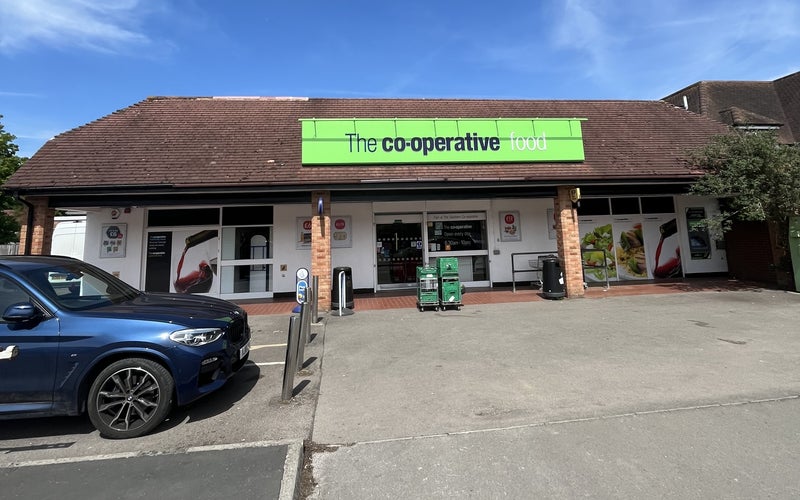
Project Fourfold, South of England
The sale of 19 Southern Co-op convenience stores across the Southern Counties. A large portion have exchanged contracts to an independent operator, with completions taking place from November 2024 into 2026.